FREE PRODUCTS
  VIP STATUS
  DISCOUNTS
  REFERRAL BENEFITS
  FUN, FUN, FUN!
  GROW YOUR REWARDS
  ALL NATURAL INGREDIENTS

Foods and Drinks That Boost Both Gut and Mind
The connection between digestion and cognition is no longer theoretical. Research from the NIH and studies indexed on PubMed show that gut health influences neurotransmitter production, inflammation, and stress signaling—all of which affect mental performance.
This relationship explains why dietary choices often impact focus and mood as much as sleep or caffeine.
The Gut–Brain Axis Explained Simply
The gut and brain communicate through:
-Neural pathways
-Hormonal signaling
-Immune responses
Disruptions in the gut microbiome can amplify inflammation and stress signals that impair cognitive clarity. This connection is explored in What Your Gut Says About Your Brain and The Shocking Link Between Gut Health and Brain Fog.
Foods That Support Gut and Brain Health
Certain foods consistently appear in gut–brain research:
Fermented foods
Support microbiome diversity and gut signaling.
Fiber-rich plants
Feed beneficial gut bacteria that influence inflammation and neurotransmitter balance.
Polyphenol-rich foods
Linked to antioxidant and neuroprotective effects.
Beverages That Support Both Systems
Beverages matter because they are consumed daily.
Examples include:
-Tea and matcha, which provide polyphenols and calm stimulation
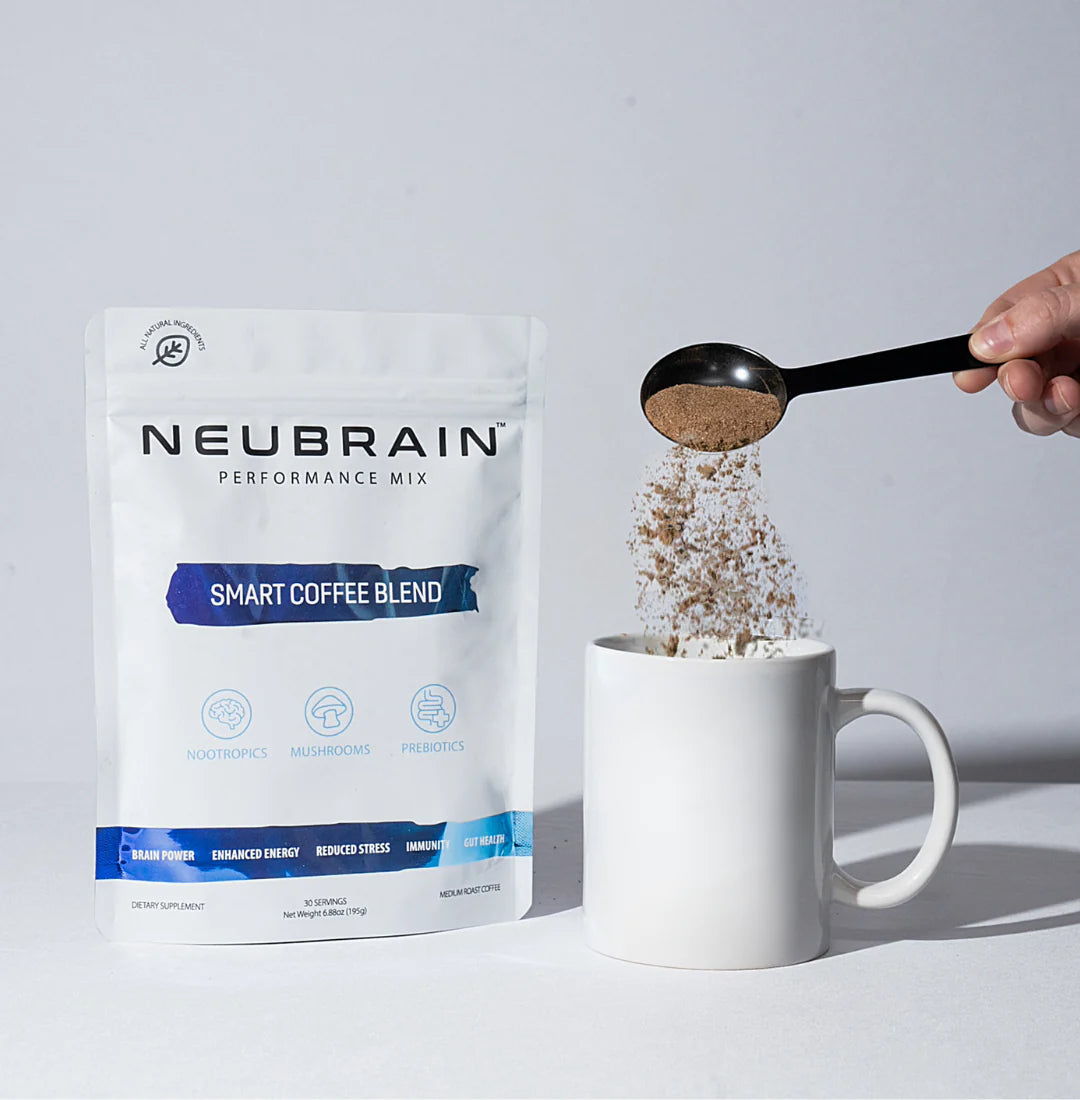
-Functional coffee formulations designed to reduce digestive irritation
-Mushroom-based beverages that support immune modulation
These patterns are explored further in Gut Health and Energy: The Overlooked Connection.
Why Daily Exposure Matters More Than Intensity
Gut and brain health respond best to consistent inputs, not occasional extremes.
Research shows that small, repeated exposures shape microbiome balance more effectively than sporadic interventions. This explains why beverages integrated into daily routines often have outsized impact.
The Bottom Line
Foods and drinks that support both gut and mind work by reinforcing balance rather than forcing change.
As awareness of the gut–brain axis grows, nutrition choices that support both systems are becoming central to cognitive wellness rather than supplemental.
Scientific Context
-NIH: gut–brain communication
-PubMed: microbiome and cognition
-Harvard Health: nutrition and mental performance