FREE PRODUCTS
  VIP STATUS
  DISCOUNTS
  REFERRAL BENEFITS
  FUN, FUN, FUN!
  GROW YOUR REWARDS
  ALL NATURAL INGREDIENTS

Why Crashes Happen
Crashes occur when:
-Stimulation exceeds regulation
-Stress hormones remain elevated
-Focus becomes brittle rather than stable
This pattern is common in high-caffeine routines and is discussed in How to Get Energy Without the Jitters.
The Role of Stress Hormones in Energy Swings
Stress hormones like cortisol play a role in short-term alertness, but chronic elevation comes at a cost.
Research summarized by Harvard Health Publishing and indexed by the NIH shows that repeated stimulation can:
-Increase cognitive fatigue
-Reduce attention flexibility
-Impair the ability to smoothly re-enter focus
When energy depends on stress signaling, performance becomes reactive instead of steady.
This helps explain why people often experience a sharp drop in clarity even when caffeine intake remains high.
The Hidden Cost of Energy Spikes
Energy spikes require compensation later.
Studies indexed on PubMed show that cognitive fatigue increases when attention is driven by stress hormones rather than balanced neurotransmission.
This explains why people often feel:
-Mentally drained despite high caffeine
-Unable to re-engage focus later
-Reliant on stacking stimulants
Why Stacking Stimulants Makes the Problem Worse
Stacking stimulants is a common response to declining energy, but it often amplifies instability.
Each additional stimulant adds:
-More stress signaling
-Greater nervous system load
-Less predictable energy curves
Instead of restoring clarity, stacking tends to narrow attention temporarily while increasing burnout risk. This is why many people report feeling “wired but unfocused” after repeated caffeine doses.
Smarter Energy Swaps Explained
Smarter energy swaps aim to:
-Preserve alertness
-Reduce stress signaling
-Support focus endurance
Examples include replacing:
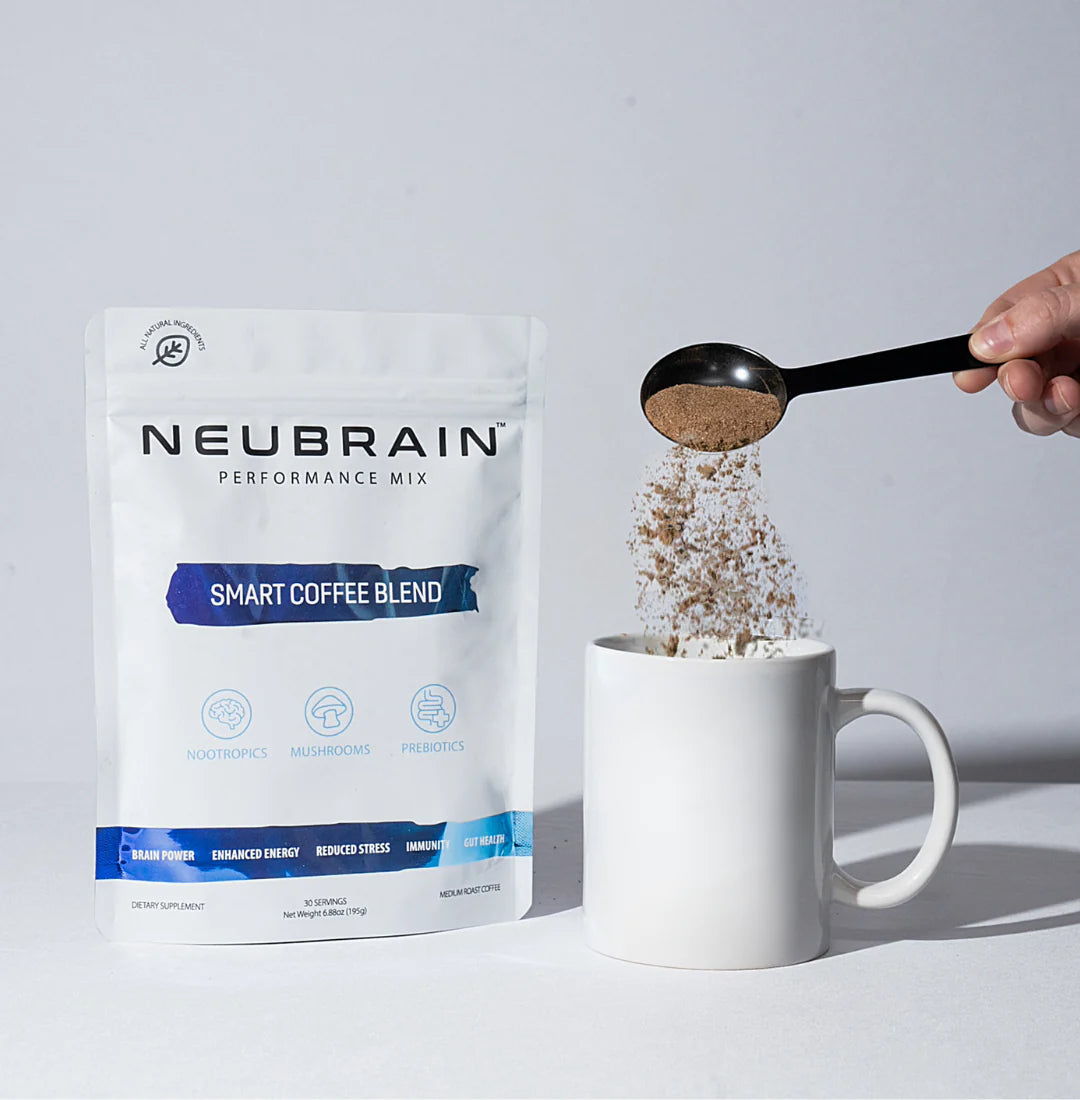
-Energy drinks with focus-first beverages
-High-dose caffeine with smoother delivery formats
-Stimulant stacking with balanced formulations
This transition mirrors themes discussed in Should You Quit Coffee? What to Try Instead.
Examples of Smarter Energy Swaps
Smarter swaps often involve replacing:
-Energy drinks with focus-first beverages designed for sustained clarity
-High-dose caffeine with smoother delivery formats that reduce spikes
-Stimulant stacking with balanced formulations that support regulation
These shifts reduce the need to “manage” energy throughout the day and allow focus to feel more automatic.
This transition mirrors themes discussed in Should You Quit Coffee? What to Try Instead, where long-term consistency is prioritized over short-term stimulation.
Why Clarity Feels Different Than Energy
Clarity does not feel intense. It feels usable.
This is why many people underestimate clarity early on—a concept explored in If Neubrain Feels Normal Now, That’s the Point.
The Bottom Line
Moving from crash to clarity is less about removing caffeine and more about changing how energy is delivered.
Smarter energy swaps support consistency, reduce friction, and allow focus to last longer without burnout.
Scientific Context
-Harvard Health: caffeine metabolism and crashes
-NIH: cortisol and cognitive fatigue
-PubMed: sustained attention vs stimulation