FREE PRODUCTS
  VIP STATUS
  DISCOUNTS
  REFERRAL BENEFITS
  FUN, FUN, FUN!
  GROW YOUR REWARDS
  ALL NATURAL INGREDIENTS

How Functional Mushrooms Became the New Superfood
Superfoods typically follow a recognizable trajectory: early traditional use, niche adoption, scientific validation, and eventual mainstream acceptance. Functional mushrooms have followed this path, though their history predates many modern wellness trends.
Once limited to traditional medicine and specialty supplements, functional mushrooms now appear in coffee, tea, matcha, and functional foods.
Traditional Use Supported by Modern Research
Functional mushrooms such as Lion’s Mane, Reishi, Chaga, Cordyceps, and Turkey Tail have been used for centuries across Asia and Europe. Historically, these mushrooms were associated with resilience, longevity, and balance rather than quick stimulation.
Modern research indexed in PubMed and supported by the NIH has begun identifying mechanisms behind these traditional uses, including:
-Antioxidant activity
-Immune regulation
-Neuroprotective effects
-Stress adaptation
Scientific validation helped move functional mushrooms from cultural tradition into modern nutrition.
Why Interest Accelerated in Recent Years
Several macro-level trends contributed to the rise of functional mushrooms:
-Increased dissatisfaction with overstimulation
-Greater awareness of gut and immune health
-Demand for daily, food-based wellness solutions
-Fatigue with single-ingredient supplements
Consumers increasingly favored ingredients that could integrate into existing routines rather than adding complexity.
Beverages as the Gateway to Mainstream Adoption
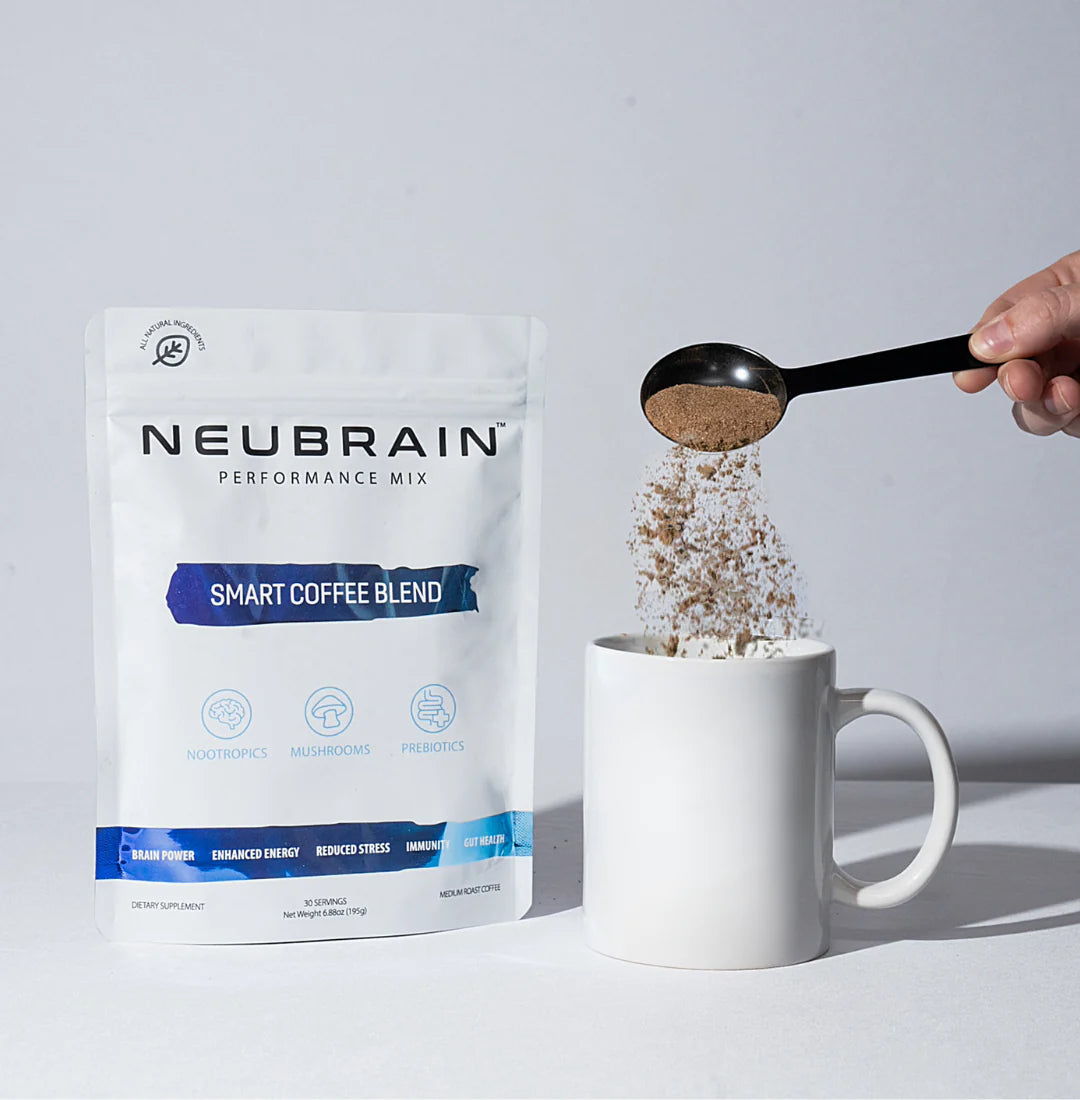
Beverages became the most effective delivery format for functional mushrooms. Coffee, tea, and matcha already occupied habitual daily roles, making them ideal vehicles for consistent intake.
This shift allowed functional mushrooms to move from:
-Occasional supplementation
to
-Low-effort daily consumption
This transition is explored further in What Is Mushroom Coffee & Why Is It Trending.
Functional Mushrooms vs Short-Term Wellness Trends
Unlike many wellness fads, functional mushrooms are supported by:
-Long historical use
-Expanding scientific research
-Compatibility with everyday habits
Rather than relying on stimulation, functional mushrooms support systems related to balance and resilience, which aligns with long-term wellness priorities.
Why the “Superfood” Label Applies
While the term “superfood” is often overused, functional mushrooms meet many criteria associated with it:
-High concentration of bioactive compounds
-Multi-system support
-Broad applicability across lifestyles
Their versatility explains their presence in products targeting focus, immunity, stress management, and overall vitality.
Long-Term Integration Signals Staying Power
One indicator that functional mushrooms are more than a passing trend is their integration into staple products rather than novelty items.
Coffee and tea represent daily rituals, not short-term experiments. This mirrors broader patterns discussed in Why Clean Energy Is Taking Over the Beverage World.
The Bottom Line
Functional mushrooms became the new superfood because they aligned with a broader shift toward:
-Sustainable energy
-System-level health
-Habit-based wellness
Supported by both tradition and modern research, functional mushrooms are positioned as a foundational ingredient in functional nutrition rather than a temporary trend.
As formulations continue to improve and research expands, functional mushrooms are likely to remain a core component of the wellness landscape.
Scientific References
-PubMed: Functional mushroom bioactive compounds and immune regulation
-NIH: Antioxidants, neuroprotection, and immune balance
-Harvard Health Publishing: Functional foods and long-term wellness trends