FREE PRODUCTS
  VIP STATUS
  DISCOUNTS
  REFERRAL BENEFITS
  FUN, FUN, FUN!
  GROW YOUR REWARDS
  ALL NATURAL INGREDIENTS

How Neubrain Stacks Up Against Other Nootropic Brands
Nootropic coffee has become one of the fastest-growing wellness categories, promising better focus, calmer energy, and fewer crashes than traditional caffeine. But not all nootropic coffees are built the same — and the differences aren’t always obvious at first glance.
To understand how Neubrain stacks up, it helps to look at formulation depth, ingredient quality, and how the product actually feels day to day.
The Big Difference: Functional Formulation vs Simple Blends
Many popular nootropic or mushroom coffee brands rely on:
-A small number of mushrooms
-Minimal nootropic support
-Broad wellness positioning without targeted cognitive dosing
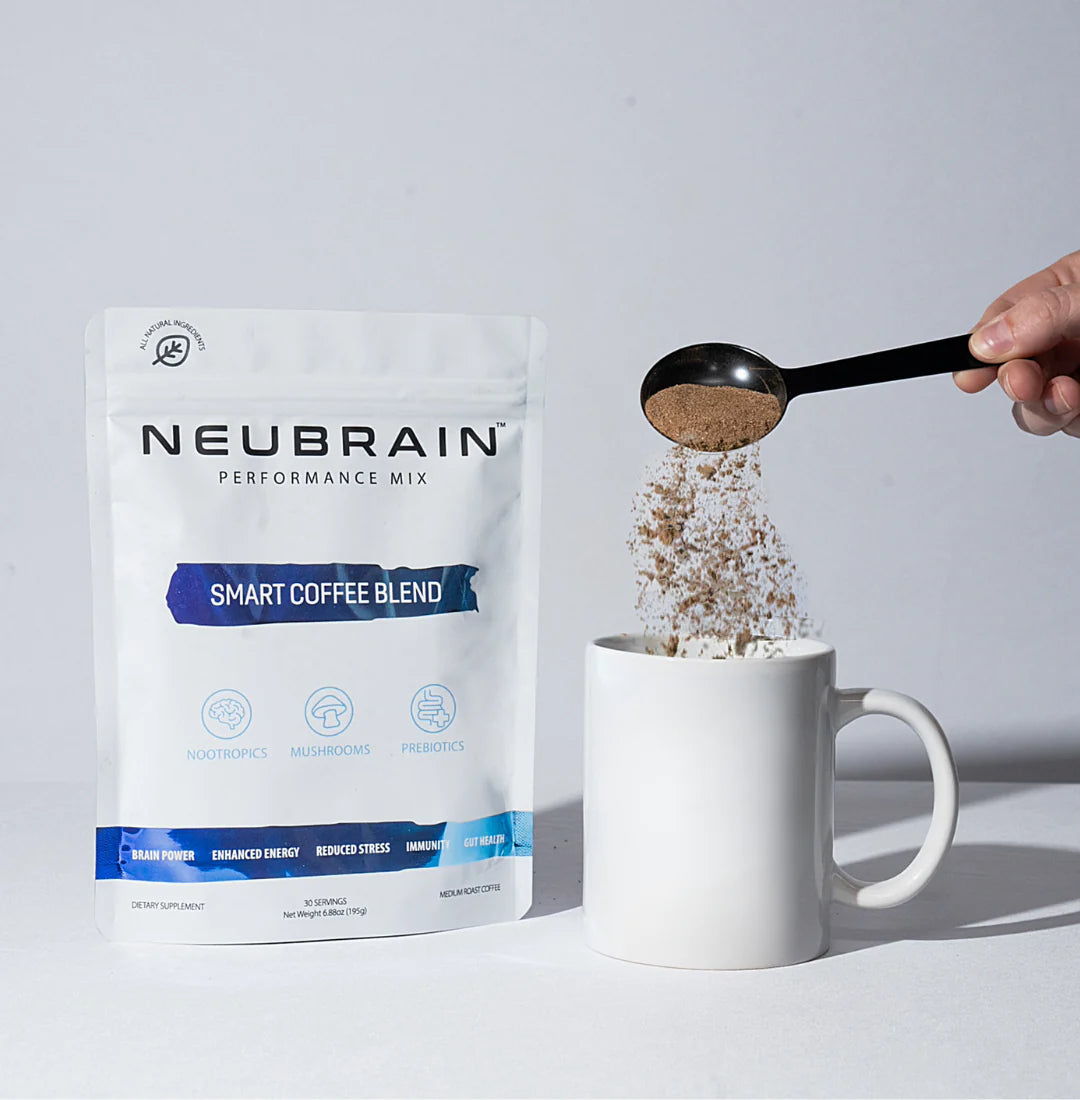
Neubrain takes a different approach by combining:
-Functional mushrooms
-Clinically studied nootropics
-Gut-brain supporting ingredients
-A coffee base that smells and tastes exactly like real coffee with zero sediment
This matters because focus, energy, and mental clarity are not driven by a single ingredient — they’re the result of stacking complementary compounds that work together.
Neubrain vs Ryze
Ryze is often marketed around having “multiple mushrooms,” but its formula leans heavily toward basic mushroom content without true nootropic depth.
Key differences:
-Ryze emphasizes quantity of mushrooms, not cognitive synergy
-Limited inclusion of proven focus-specific nootropics
-Many users report a muddy texture and earthy aftertaste
Neubrain, by contrast:
-Builds focus through layered nootropic pathways
-Uses mushrooms to support clarity, not replace caffeine entirely
-Delivers clean energy without bitterness or grit
For a deeper dive, this comparison pairs well with Common Myths About Mushroom Coffee, Debunked and Nootropics vs Caffeine: What’s Really Boosting Your Productivity.
Neubrain vs Everyday Dose
Everyday Dose focuses on a gentler caffeine experience and simplicity, which appeals to people looking to reduce jitters.
Where it falls short for some users:
-Lower overall cognitive intensity
-Limited stack for sustained mental performance
-More lifestyle-oriented than performance-oriented
Neubrain is designed for:
-Deeper focus windows
-Sustained mental clarity throughout the day
-A more noticeable difference during cognitively demanding work
If you’re interested in experiential differences, What Users Say After 30 Days of Neubrain and My First Week Drinking Mushroom Coffee: What Changed add helpful context.
Neubrain vs MUD\WTR
MUD\WTR removes coffee entirely, replacing it with cacao, spices, and mushrooms.
That approach works well for:
-People quitting caffeine completely
-Evening or low-stimulation rituals
But it often lacks:
-The mental sharpness associated with coffee
-The productivity boost many professionals rely on
Neubrain keeps real coffee in the equation while:
-Smoothing the stimulant curve
-Supporting calm focus instead of nervous energy
This balance is explored further in Looking for a Caffeine Alternative? Start Here and How to Get Energy Without the Jitters.
Neubrain vs Four Sigmatic
Four Sigmatic helped popularize mushroom coffee, but its formulas tend to prioritize:
-Brand recognition
-Broad wellness appeal
Limitations some users notice:
-Lighter dosing
-Subtle effects that are hard to feel consistently
Neubrain builds on that foundation by:
-Using research-driven nootropic ingredients
-Formulating for mental performance, not just wellness
-Delivering a familiar coffee taste without mushroom heaviness
For ingredient-level education, Why Lion’s Mane Is the Most Researched Brain Mushroom Right Now
Neubrain vs Cuppa
Cuppa is often praised for taste and approachability, making it an easy transition for traditional coffee drinkers.
Where Neubrain differs:
-More robust cognitive stack
-Greater emphasis on long-term mental performance
-Additional gut-brain and focus-specific support
If taste is your priority, Neubrain still delivers — with the added benefit of functional depth beyond flavor alone.
Why Neubrain Feels Different Day to Day
What sets Neubrain apart isn’t just what’s on the label — it’s how the ingredients are stacked to support:
-Calm but alert focus
-Reduced crashes and overstimulation
-Mental clarity that builds, not spikes
This is why Neubrain fits naturally into:
-Morning focus routines
-Creative work sessions
-Long workdays that demand sustained attention
You can see how it integrates into daily habits in How Neubrain Fits Into Your Focus Routine and How to Build a Morning Routine for Mental Clarity.
The Bottom Line
Most nootropic coffee brands do one thing well:
-Fewer jitters
-Mushroom exposure
-A coffee alternative ritual
Neubrain is built to do multiple things at once:
-Support focus, clarity, and clean energy
-Preserve the taste and ritual of real coffee
-Deliver a functional stack designed for how the brain actually works
If you’re comparing nootropic brands, the real question isn’t which one sounds best — it’s which one is formulated to support how you think, work, and perform every day.