FREE PRODUCTS
  VIP STATUS
  DISCOUNTS
  REFERRAL BENEFITS
  FUN, FUN, FUN!
  GROW YOUR REWARDS
  ALL NATURAL INGREDIENTS

If Neubrain Feels Normal Now, That’s the Point
Around the one-month mark, something interesting happens for many people.
They stop asking:
-“Do I feel it?”
-“Is it kicking in yet?”
And start wondering:
-“Is this still doing anything?”
-“Do I need this anymore?”
This question doesn’t mean something stopped working.
It usually means something started working the way it was designed to.
Why Calm Clarity Becomes Harder to Notice
Human attention is wired to notice changes — not stability.
We notice:
-Jitters
-Crashes
-Sharp spikes of stimulation
We don’t notice:
-Smooth mornings
-Predictable focus
-Energy that doesn’t demand attention
By 30–60 days, Neubrain often stops feeling like a “boost” and starts feeling like a baseline. That’s not loss of effect. That’s adaptation to a calmer, more stable signal.
The nervous system doesn’t celebrate stability — it simply uses it.
The Difference Between Stimulation and Support
Most energy products rely on stimulation. They create a noticeable surge that’s easy to feel — and easy to miss when it fades.
Neubrain was built differently.
Instead of pushing the system harder, it supports how energy and focus are regulated. Over time, this creates:
-Less mental friction starting tasks
-Fewer extreme highs and lows
-More predictable cognitive output
The trade-off is that the experience becomes quieter — and quieter experiences are easier to take for granted.
“I Don’t Feel It Anymore” Usually Means You Stopped Needing to Notice
When people say they don’t feel Neubrain anymore, what they usually mean is:
-They’re not fighting crashes
-They’re not chasing stimulation
-They’re not constantly adjusting caffeine
Those problems fade first. And when friction disappears, awareness often goes with it.
This is the same reason you stop noticing good sleep once it becomes consistent — until you miss a night.
What Most People Forget to Notice After 30 Days
By this stage, the most meaningful benefits are often indirect.
People commonly overlook:
-How rarely they think about energy anymore
-How much less caffeine they stack
-How predictable their mornings feel
-How focus starts faster and lasts longer
These aren’t dramatic moments. They’re quiet improvements that compound.
And because they don’t announce themselves, they’re easy to undervalue.
Neubrain as a Foundation, Not a Feature
At this point, Neubrain is no longer something you’re “trying.”
It’s something you’re building on.
That shift matters.
Foundations aren’t exciting — but they’re what allow everything else to work better. When energy becomes stable, other habits become easier:
-Deep work
-Training
-Creativity
-Stress management
This is where Neubrain is meant to live — underneath the day, not on top of it.
What Happens When People Stop — and Then Restart
One of the clearest signals of value often comes from contrast.
Many long-term users say they don’t fully appreciate Neubrain until they stop for a few days and notice:
-More caffeine creeping back in
-Less patience or mental bandwidth
-Harder transitions into focused work
When they restart, the benefit isn’t a surge — it’s relief.
That’s usually the moment people realize Neubrain wasn’t loud — it was stabilizing.
Routine Is the Real Multiplier
By 31–60 days, Neubrain usually feels fully integrated.
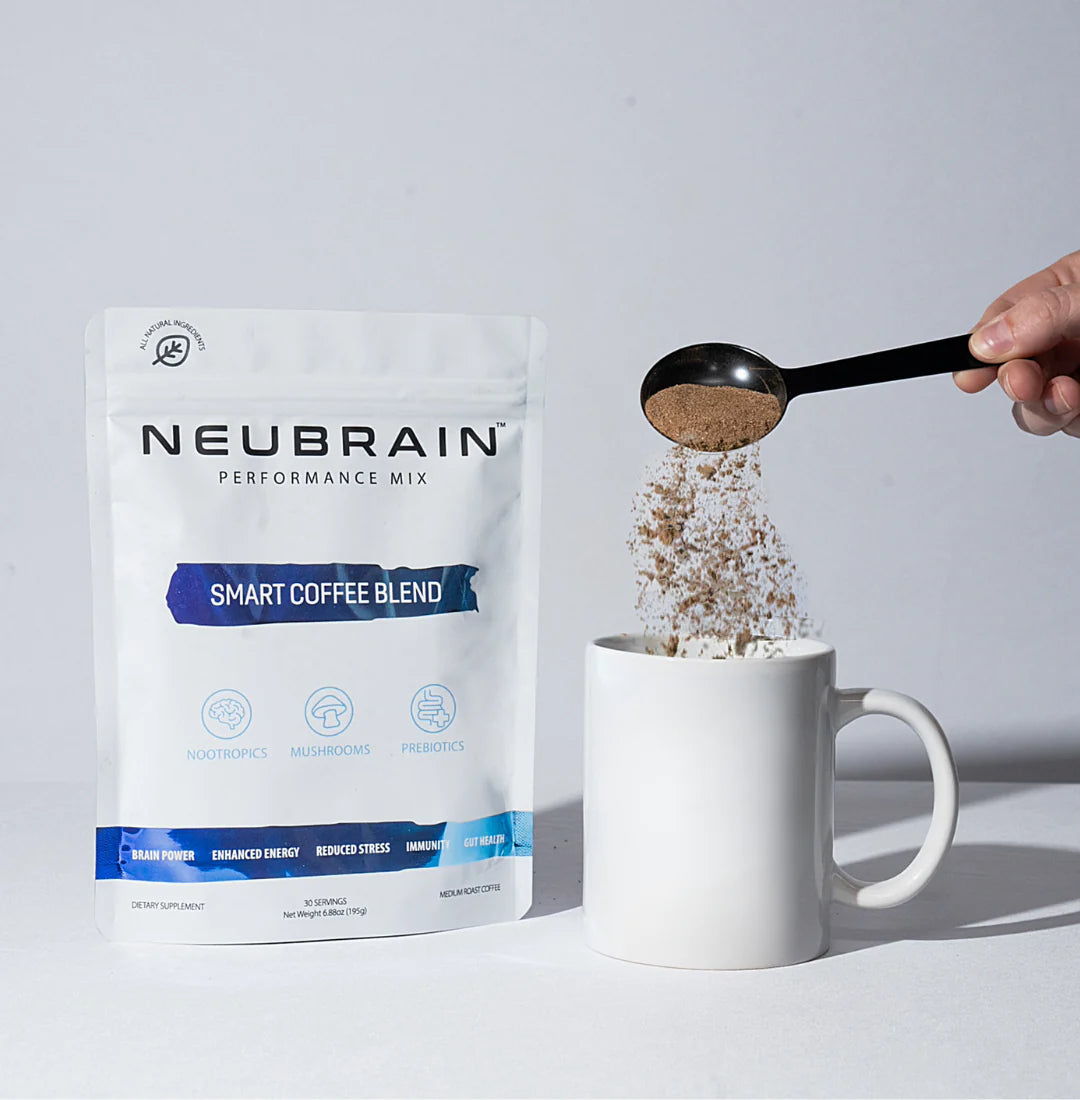
It smells and tastes exactly like real coffee, leaves zero sediment, and fits into a morning without effort. That ease matters more than most people expect.
When something feels effortless, it stops feeling like a “product” and starts feeling like part of how the day begins.
That’s not complacency. That’s habit formation.
If You’re Questioning Whether to Keep Going
If you find yourself asking whether Neubrain is still worth it, try this reframing:
Instead of asking:
-“Do I feel it?”
Ask:
-“What feels harder when I don’t use it?”
-“What did my mornings feel like before this was normal?”
-“How often do I think about energy now compared to before?”
Most people don’t stop because Neubrain stopped helping.
They stop because the help became invisible.
The Bottom Line
By 30–60 days, Neubrain is no longer meant to feel impressive.
It’s meant to feel reliable.
Calm clarity isn’t something you chase — it’s something you stand on.
And when something quietly supports how you think, work, and move through the day, the fact that it feels normal is usually the strongest sign it’s doing its job.