FREE PRODUCTS
  VIP STATUS
  DISCOUNTS
  REFERRAL BENEFITS
  FUN, FUN, FUN!
  GROW YOUR REWARDS
  ALL NATURAL INGREDIENTS

What to Expect in Your First 30 Days With Neubrain
Starting something new — even something as familiar as coffee — naturally brings questions.
If you recently subscribed to Neubrain, you may have caught yourself thinking:
-Did I buy the right thing?
-Am I using this correctly?
-Should I be feeling more by now?
Those questions don’t mean anything is wrong. They mean you’re paying attention — and that’s exactly what this guide is here to support.
First Things First: You’re Probably Using It Correctly
One of the most common concerns new subscribers have is whether they’re preparing Neubrain “the right way.”
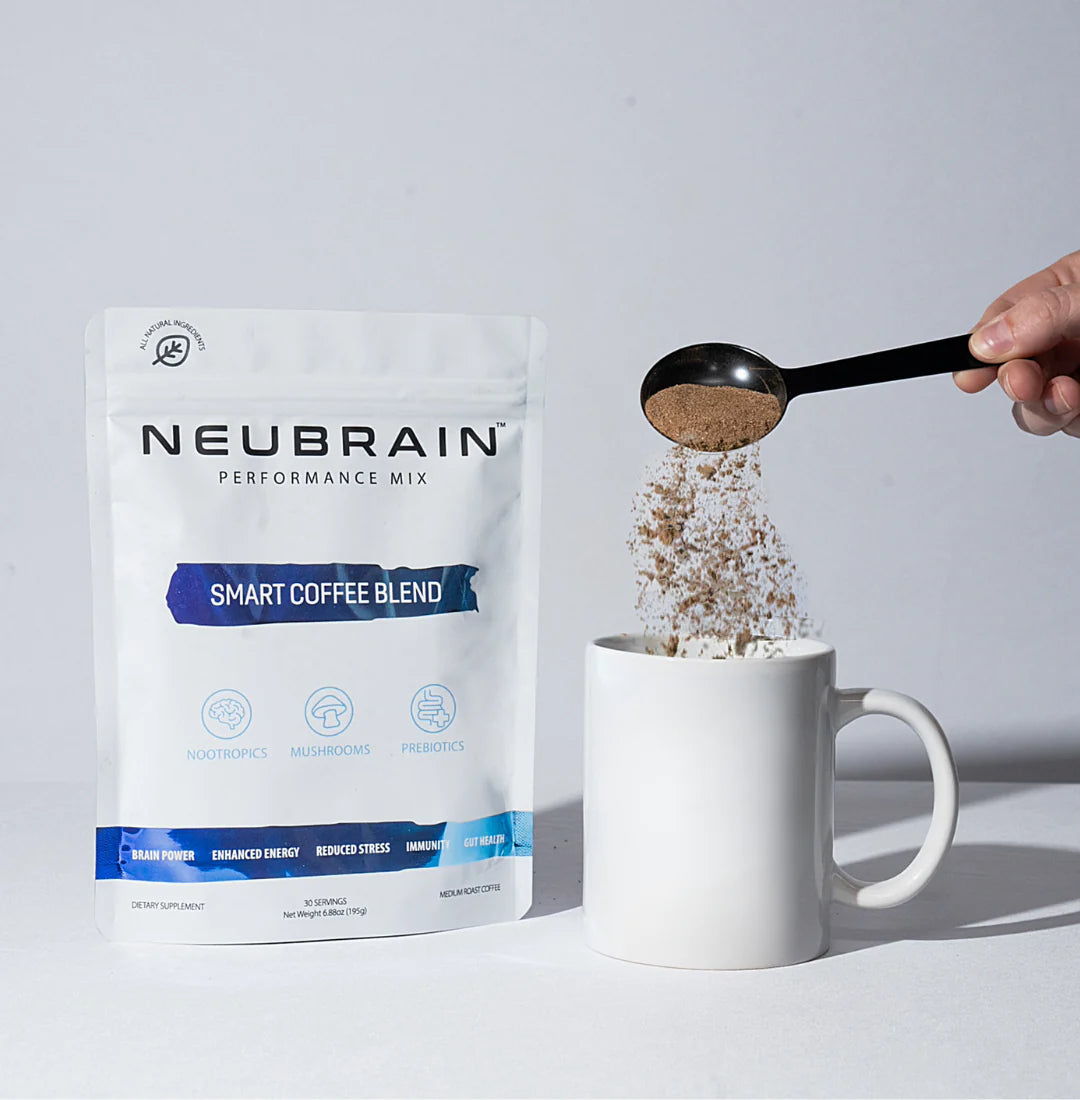
The truth is simple: Neubrain is designed to fit into a normal coffee routine.
Most people make it:
-Once per day
-Around the same time each morning
-With hot water, milk, or a frother if they prefer
There’s no special protocol, no timing window, and no complicated setup required.
Because Neubrain smells and tastes exactly like real coffee and leaves zero sediment, it should feel familiar — not like a supplement you need to manage.
If this is how you’re using it, you’re already doing it right.
Why Neubrain Can Feel Subtle at First
This is one of the most important things to understand early on.
Neubrain is not designed to create a sharp, immediate “kick” like pre-workout or high-dose caffeine. It’s designed to support calm, sustained clarity.
Because of that, many people don’t feel a dramatic shift in the first few days. That’s intentional.
Most Neubrain customers don’t feel the full difference until weeks 2–3. Consistency matters more than scoops.
Subtle doesn’t mean ineffective. It means your nervous system isn’t being pushed into overdrive.
What Progress Actually Looks Like
Instead of asking “Do I feel it right now?”, the more useful questions are:
-Am I crashing less in the afternoon?
-Do I feel less urge to stack caffeine?
-Is it easier to stay focused once I start working?
-Does my energy feel steadier across the day?
These are the changes most people notice first — often without realizing it until they reflect on their day as a whole.
Neubrain tends to work quietly in the background. You notice it more by what’s missing than by what’s loud.
The Most Common Mistake New Users Make
The biggest mistake in the first 30 days is changing too many variables at once.
People often:
-Stack additional stimulants on top of Neubrain
-Switch between different coffees day to day
-Increase scoops chasing a stronger sensation
-Judge effectiveness hour by hour instead of week by week
This makes it harder to understand what’s actually helping.
The simplest approach works best:
-One to two servings per day
-Around the same times
-No additional stimulants layered on top
Consistency builds clarity. Complexity creates doubt.
Why Weeks 2–3 Matter More Than Week 1
Your body adapts to routines quickly, but it takes longer to unlearn overstimulation.
During the first week, many people are still adjusting:
-Their caffeine expectations
-Their morning rhythm
-Their baseline for “feeling energized”
By weeks 2–3, things often settle. That’s when people begin noticing:
-More predictable focus
-Less mental noise
-Energy that lasts without demanding attention
This is why we encourage new subscribers to think in weeks, not days.
What Many People Notice Over Time With Neubrain
Everyone’s experience is slightly different, but there are common patterns we hear from people who use Neubrain consistently.
The First Week
During the first week, most people are still adjusting expectations rather than feeling a clear shift.
Common early observations include:
-Neubrain feels smoother than regular coffee
-Less stomach discomfort compared to other caffeine sources
-Energy feels calmer, even if it’s not dramatic
It’s normal to wonder whether it’s “doing enough” during this phase.
Weeks 2–4 (The First Month)
This is when many people begin noticing changes that are easier to identify.
Often reported experiences include:
-Fewer afternoon crashes
-Less urge to stack caffeine
-Easier focus once work begins
-More stable energy throughout the day
This is also when Neubrain starts to feel less like something new and more like part of a routine.
Around 2–3 Months
By this point, most people aren’t actively evaluating Neubrain anymore.
Instead, they often notice:
-Focus feels more automatic
-Mental clarity lasts longer without effort
-Less reliance on stimulants to feel productive
At this stage, the benefit is felt in how little energy requires attention.
Around 3–6 Months
Longer-term users often describe improvements in consistency.
Common themes include:
-Better caffeine tolerance overall
-More predictable daily energy
-Fewer extreme highs and lows
Neubrain becomes something people miss on days they skip it — not because of withdrawal, but because the day feels slightly harder.
6 Months and Beyond
For long-term users, Neubrain is usually no longer viewed just as a “focus product.”
Instead, it’s seen as:
-Part of a stable morning routine
-A baseline for clean energy
-Something that quietly supports how they work and think
At this point, the biggest benefit is often how effortless consistency feels.
Neubrain Is Designed to Replace, Not Stack
Neubrain works best when it replaces things rather than being added on top of everything else.
It’s meant to replace:
-Excess caffeine
-Jitter-prone energy boosts
-Multiple focus products
When used this way, it becomes a foundation instead of another variable to manage.
If You Ever Feel Unsure, Keep It Simple
If you feel uncertain at any point in your first month, the best reset is simple:
-Keep your routine consistent
-Use Neubrain once daily for a full couple of weeks
-Pay attention to how you feel later in the day
-Notice what you don’t need anymore
Most people who stick with it say the shift feels gradual — and then obvious in hindsight.
The Bottom Line
If you’re in your first 30 days with Neubrain and questioning whether it’s working, that’s completely normal.
You don’t need to:
-Feel insanely wired
-Change your dose constantly
-Overanalyze every cup
You just need consistency.
Neubrain is designed to support how you think over time — not to demand attention.
And for most people, the real difference starts to show right around the time they stop looking for it.