FREE PRODUCTS
  VIP STATUS
  DISCOUNTS
  REFERRAL BENEFITS
  FUN, FUN, FUN!
  GROW YOUR REWARDS
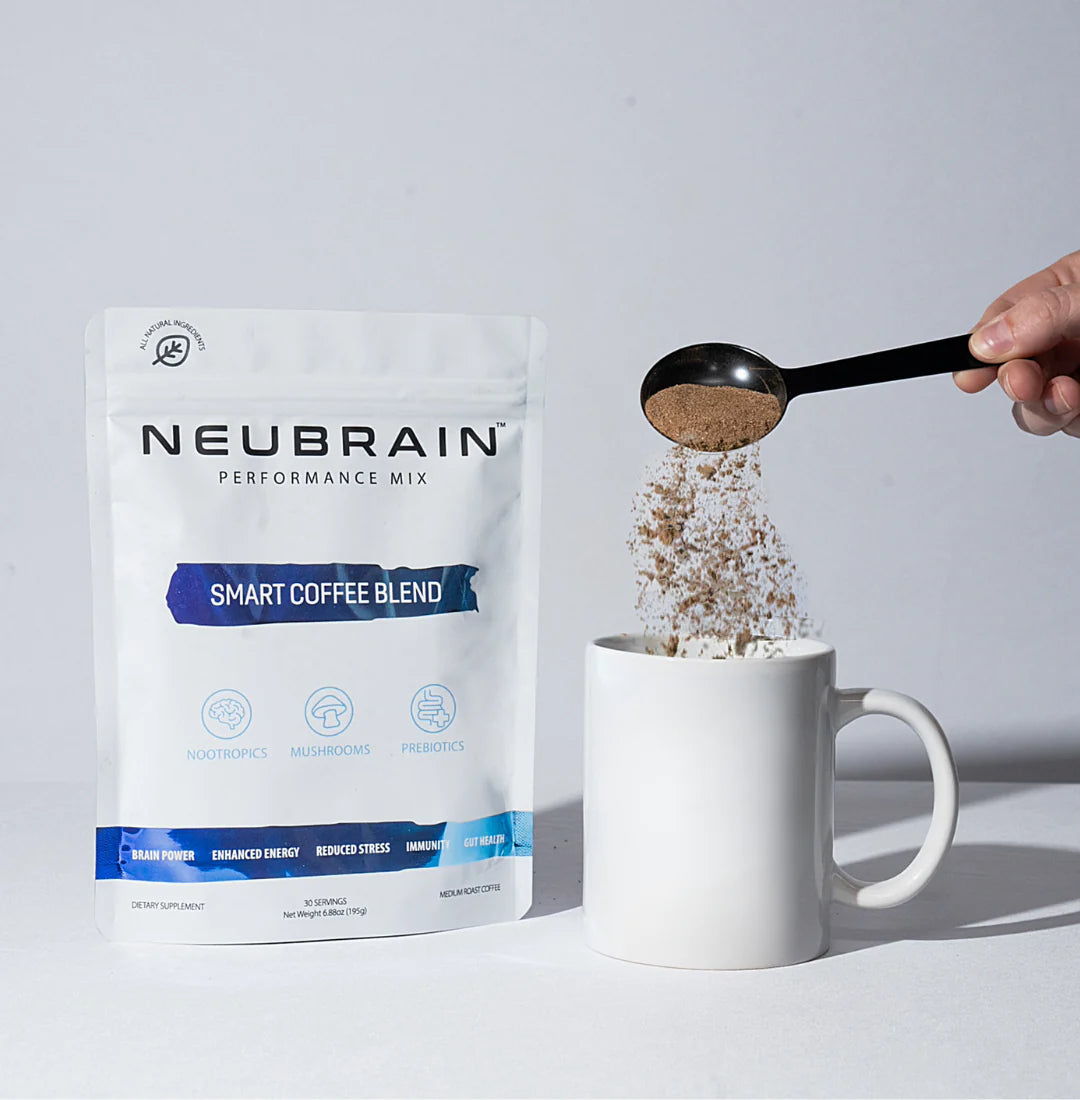
  ALL NATURAL INGREDIENTS

Can Mushroom Coffee Reduce Inflammation?
Inflammation is often associated with injury or illness, but its impact extends into everyday health. Persistent low-grade inflammation has been linked to fatigue, brain fog, digestive discomfort, and reduced cognitive performance.
As functional beverages continue to grow, mushroom coffee has emerged as a daily option positioned at the intersection of energy, focus, and wellness. Understanding whether mushroom coffee may influence inflammation requires examining how inflammation functions in the body and how functional ingredients interact with those systems.
Inflammation and Its Role in Daily Energy
Inflammation is a normal immune response designed to protect the body. Short-term inflammation supports healing and defense. Challenges arise when inflammatory signaling remains elevated for extended periods.
Research indexed in PubMed and supported by the National Institutes of Health (NIH) has associated chronic low-grade inflammation with:
-Reduced mental clarity
-Increased fatigue
-Disrupted gut function
-Heightened stress sensitivity
Because inflammatory signaling interacts closely with the nervous system, its effects often show up cognitively rather than physically. This relationship is explored further in Science Behind the Gut-Brain Axis Explained Simply.
Coffee, Stress Response, and Inflammatory Load
Coffee contains antioxidant compounds, but caffeine also stimulates the nervous system. Studies summarized by Harvard Health Publishing indicate that excessive or poorly regulated caffeine intake can elevate cortisol and stress hormones, particularly in sensitive individuals.
Over time, this stress response may contribute to:
-Energy volatility
-Digestive irritation
-Increased inflammatory signaling
This helps explain why many people seek alternatives that preserve the coffee ritual while reducing physiological strain, a theme also discussed in How to Get Energy Without the Jitters.
Functional Mushrooms and Immune Modulation
Functional mushrooms have been studied for their role in immune modulation, not immune stimulation. According to research indexed on PubMed, compounds such as beta-glucans interact with immune pathways that help regulate inflammatory responses rather than intensify them.
Studies involving mushrooms such as Reishi, Chaga, Turkey Tail, and Lion’s Mane suggest potential support for:
-Balanced immune signaling
-Reduced oxidative stress
-Gut barrier integrity
These effects tend to be gradual and cumulative, aligning with the way functional mushrooms have been traditionally used.
The Gut–Inflammation Connection
A significant portion of immune activity occurs in the gut. Research from the NIH highlights that disruptions to gut integrity can increase systemic inflammation, influencing both physical and cognitive well-being.
Because the gut and brain communicate through neural, hormonal, and immune pathways, inflammation originating in the gut can affect:
-Focus and attention
-Energy regulation
-Mood stability
This connection is explored further in What Your Gut Says About Your Brain and Gut Health and Energy: The Overlooked Connection.
Mushroom Coffee as a Daily Support Strategy
Mushroom coffee is not intended to treat inflammation as a medical condition. Its potential value lies in supporting balance through daily exposure to ingredients associated with immune regulation and reduced stress signaling.
For many people, this may translate to:
-Improved digestive tolerance compared to traditional coffee
-More stable daily energy
-Reduced reliance on stimulants
These effects are often subtle, which aligns with patterns discussed in How Neubrain Works Over Time (What Most People Don’t Realize at First).
Why Results Tend to Be Gradual
Inflammation rarely produces dramatic daily symptoms, and improvements in inflammatory balance often appear as reduced friction rather than obvious changes.
Common signs include:
-Fewer energy crashes
-Improved stress tolerance
-Less mental fatigue
Because these changes accumulate slowly, mushroom coffee is best evaluated over weeks rather than days.
The Bottom Line
Mushroom coffee is not a cure for inflammation, but research suggests it may support systems involved in inflammatory balance through:
-Functional mushroom compounds studied for immune modulation
-Reduced stress signaling compared to traditional caffeine
-Improved gut tolerance and digestive stability
For individuals seeking a daily beverage that supports long-term balance rather than short-term stimulation, mushroom coffee represents a practical, research-aligned option.
Scientific References
-PubMed: Functional mushrooms, beta-glucans, immune modulation
-NIH: Inflammation, gut health, and systemic immune signaling
-Harvard Health Publishing: Caffeine, stress response, and energy regulation