FREE PRODUCTS
  VIP STATUS
  DISCOUNTS
  REFERRAL BENEFITS
  FUN, FUN, FUN!
  GROW YOUR REWARDS
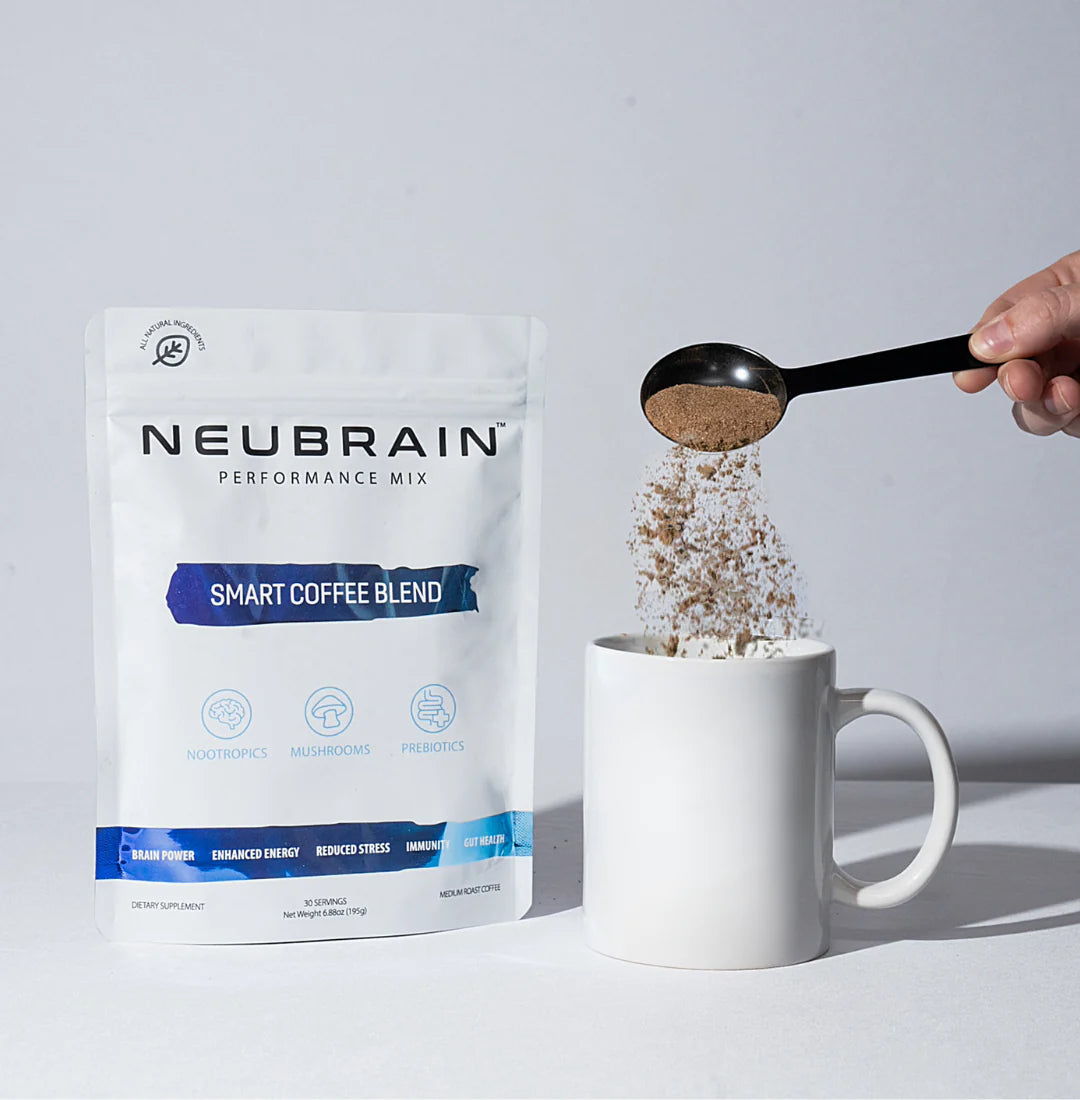
  ALL NATURAL INGREDIENTS

What Neubrain Is Replacing (Even If You Don’t Notice It)
Around the 30–60 day mark, many people stop actively evaluating Neubrain.
It’s no longer new.
It’s no longer something they’re “trying.”
It’s just… there.
And that’s exactly when its value becomes easiest to miss.
Neubrain doesn’t announce itself once it’s working properly. It removes friction — and friction is something the brain quickly forgets.
Why Stability Becomes Invisible
The brain is wired to notice problems, not their absence.
You notice:
-Jitters
-Crashes
-Anxiety
-Fatigue
You don’t notice:
-Smooth mornings
-Predictable energy
-Focus that starts without resistance
By the time Neubrain has helped stabilize your baseline, there’s nothing left to react to. That calm becomes “normal,” and normal gets taken for granted.
That’s not complacency. That’s adaptation.
What Neubrain Quietly Replaces in Daily Life
Neubrain isn’t just adding something to your routine — it’s replacing multiple sources of friction that often creep back in unnoticed.
It Replaces Caffeine Stacking
Before Neubrain, many people relied on:
-Multiple cups of coffee
-Midday pick-me-ups
-“Just one more” caffeine boost
Once energy stabilizes, those habits fade — not because of willpower, but because they’re no longer needed.
When Neubrain is removed, stacking often returns quietly.
It Replaces Energy Swings
Traditional caffeine tends to create:
-Sharp starts
-Gradual drop-offs
-Afternoon crashes
Neubrain’s value often shows up as:
-Fewer highs and lows
-More predictable output
-Less energy management throughout the day
When swings disappear, they stop being noticed — until they come back.
It Replaces Mental Noise
Many people underestimate how much mental energy is spent managing focus.
Before stability, days are often filled with:
-Forcing concentration
-Restarting tasks
-Fighting distraction
When focus becomes easier to access, the effort disappears — and with it, awareness of the improvement.
It Replaces Digestive Friction
Energy doesn’t exist in isolation from the body.
For many people, Neubrain quietly replaces:
-Stomach irritation
-Coffee discomfort
-Nervous digestion
Once digestion feels neutral, it stops being part of the conversation — but when it’s gone, it’s noticed immediately.
It Replaces Supplement Juggling
Over time, Neubrain often simplifies routines.
Instead of:
-Multiple focus products
-Timing caffeine carefully
-Adjusting doses daily
There’s just one consistent anchor.
That simplicity is part of the value — even though it’s rarely labeled as such.
Why You Only Notice the Difference When You Stop
One of the clearest patterns among longer-term users is this:
They don’t fully appreciate Neubrain until they take a break.
When that happens, people often notice:
-Energy feels less predictable
-Focus takes more effort to initiate
-Old caffeine habits creep back
-Mental fatigue shows up earlier
When Neubrain is reintroduced, the benefit isn’t excitement.
It’s relief.
That’s the signature of something that was supporting your system quietly, not stimulating it loudly.
Neubrain Was Never Meant to Feel Like a “Boost”
This is the core misunderstanding that leads to mid-stage churn.
Neubrain isn’t meant to feel impressive.
It’s meant to feel reliable.
Boosts are noticeable.
Foundations are not.
And yet, foundations are what make everything else easier.
The Cost of Going Back to “Normal” Coffee
When people stop Neubrain and return to old habits, the contrast usually shows up slowly.
Not as a failure — but as friction:
-More effort to get into focus
-More reliance on caffeine timing
-Less consistency across the day
Nothing dramatic breaks.
Things just feel… harder.
That’s often when people realize Neubrain wasn’t adding something — it was removing obstacles.
How to Evaluate Neubrain at This Stage
At 30–60 days, the wrong question is:
-“Do I still feel it?”
The better questions are:
-“What feels easier than it used to?”
-“What do I rely on less now?”
-“What habits haven’t crept back in?”
Those answers reveal value far more accurately than sensation.
The Bottom Line
Neubrain doesn’t prove itself by how strongly it shows up.
It proves itself by what it quietly replaces:
-Stimulation
-Friction
-Instability
-Effort
When calm clarity becomes your baseline, it’s easy to forget what it took to get there.
But once it’s gone, the difference is rarely subtle.
And that’s why the phase where Neubrain feels “normal” is often the phase where it’s doing the most work.