FREE PRODUCTS
  VIP STATUS
  DISCOUNTS
  REFERRAL BENEFITS
  FUN, FUN, FUN!
  GROW YOUR REWARDS
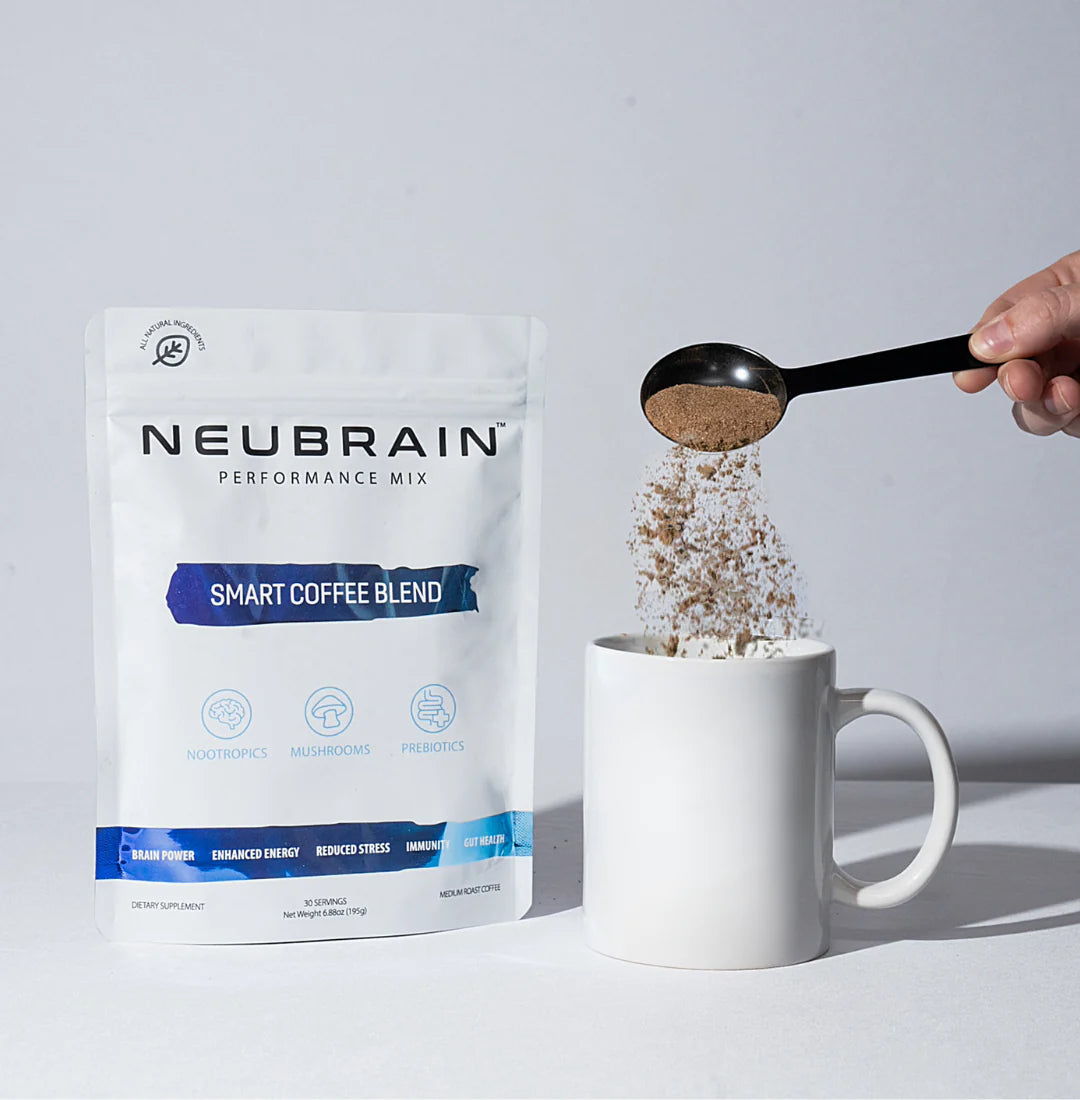
  ALL NATURAL INGREDIENTS

The Science That Backs Neubrain’s Formula
Neubrain wasn’t designed to create a spike.
It was designed to support how the body regulates energy and focus, not override it.
That distinction matters — because most products people compare Neubrain to rely on stimulation. Neubrain relies on systems.
To understand why it feels different, you have to understand how focus actually works.
Focus Is a System, Not a Switch
Most people think of focus as something you turn on.
In reality, focus is the result of several systems working together:
-Nervous system balance
-Neurotransmitter signaling
-Stress hormone regulation
-Gut-brain communication
When one of these is overstimulated, focus becomes brittle. When they’re supported together, focus becomes stable.
This systems-based view is explored in Science Behind the Gut-Brain Axis Explained Simply, which outlines why digestion, stress, and cognition are deeply linked.
Neubrain’s formula was built around this interaction — not around chasing intensity.
Why Traditional Caffeine Feels Sharp — and Short-Lived
Caffeine works primarily by blocking adenosine, the neurotransmitter that signals fatigue.
This increases alertness quickly, but it also:
-Activates stress pathways
-Elevates cortisol
-Increases anxiety in many people
Research published through NIH and Harvard Health shows that high or rapidly absorbed caffeine often leads to jitteriness and crashes, especially when stress hormones remain elevated.
That’s why many people feel wired early — and depleted later.
Neubrain doesn’t remove caffeine. It changes how caffeine is experienced.
The Role of Calming Nootropics
One of the most important parts of Neubrain’s formula is what balances caffeine.
Calming nootropic compounds help:
-Reduce stress signaling
-Support focused attention without urgency
-Improve mental endurance
Instead of amplifying stimulation, these compounds smooth it.
This aligns with research published in PubMed showing that
Coffee: Love it or leave it?
This is why Neubrain often feels calm early on — and more effective over time.
Why Functional Mushrooms Don’t “Hit” Immediately
Functional mushrooms are often misunderstood because they don’t behave like stimulants.
Research shows that many mushroom compounds support:
-Neural resilience
-Synaptic efficiency
-Long-term cognitive clarity
These effects are supportive, not acute.
This is why mushroom-based benefits are often described as:
-Gradual
-Cumulative
-Easier to notice over time
This concept is explored in How Neubrain Works Over Time (What Most People Don’t Realize at First), which explains why early subtlety is a feature — not a flaw.
The Gut-Brain Connection Matters More Than People Think
Up to 90% of serotonin and a significant portion of neurotransmitter activity is linked to the gut.
When digestion is irritated or stressed:
-Focus declines
-Energy fluctuates
-Anxiety increases
Neubrain’s inclusion of gut-supporting components helps regulate how energy signals are processed — which is why many users report fewer crashes and less digestive discomfort.
This mechanism is discussed further in What Your Gut Says About Your Brain and How to Get Energy Without the Jitters.
Why Neubrain Feels More Consistent Over Time
Because Neubrain supports multiple systems at once, its benefits often show up as:
-Fewer energy swings
-Less reliance on caffeine timing
-Easier focus initiation
-Reduced decision fatigue
This pattern is common in systems-based formulations and explains why many people don’t fully appreciate Neubrain until they stop — a theme explored in If Neubrain Feels Normal Now, That’s the Point.
Consistency is the outcome of balance, not force.
Why Neubrain Isn’t Meant to Feel Like Pre-Workout
Pre-workout formulas are designed to:
-Maximize stimulation
-Increase heart rate and adrenaline
-Create urgency
That’s useful for short bursts of physical output — but it’s counterproductive for long cognitive work.
Neubrain was designed for:
-Long attention spans
-Calm mental clarity
-Daily repeatability
This difference is explored in Smart Coffee vs Pre-Workout: A Comparison, which explains why stimulation and focus are not the same thing.
The Science Supports Stability Over Stimulation
Across neuroscience, endocrinology, and gut-brain research, one conclusion is consistent:
Stable energy supports better long-term cognitive performance than repeated stimulation.
Neubrain’s formula aligns with that conclusion by:
-Preserving the coffee ritual
-Smoothing caffeine’s stress response
-Supporting neural and digestive systems
-Reducing the need for energy “management”
That’s why it doesn’t feel dramatic — and why it works better the longer it’s used.
The Bottom Line
Neubrain isn’t backed by a single study or ingredient.
It’s backed by a framework:
-Focus is systemic
-Stress disrupts cognition
-Stability compounds
-Ritual improves adherence
When those principles are respected, focus stops being something you chase — and starts being something you rely on.
That’s the science behind Neubrain’s formula.