FREE PRODUCTS
  VIP STATUS
  DISCOUNTS
  REFERRAL BENEFITS
  FUN, FUN, FUN!
  GROW YOUR REWARDS
  ALL NATURAL INGREDIENTS

Creating a Consistent Morning Focus Ritual with Neubrain
Most people think focus is something you generate each morning.
In reality, it’s something you allow by removing friction.
The highest-performing routines aren’t packed with hacks, supplements, or optimization. They’re built around repeatable signals that tell the brain it’s time to engage.
That’s where a morning focus ritual matters — and why Neubrain works best when it becomes part of one.
Why Ritual Matters More Than Motivation
Motivation is unreliable. Ritual is not.
Neuroscience shows that the brain responds strongly to pattern recognition. When the same cues appear in the same order each morning, the nervous system begins preparing for focus automatically — before conscious effort is required.
That’s why rituals reduce:
-Decision fatigue
-Mental resistance to starting work
-Reliance on stimulation
This principle is explored further in What to Expect in Your First 30 Days With Neubrain, where consistency — not intensity — is shown to drive better results.
The Role Neubrain Plays in a Focus Ritual
Neubrain isn’t meant to be the event of your morning.
It’s meant to be the anchor.
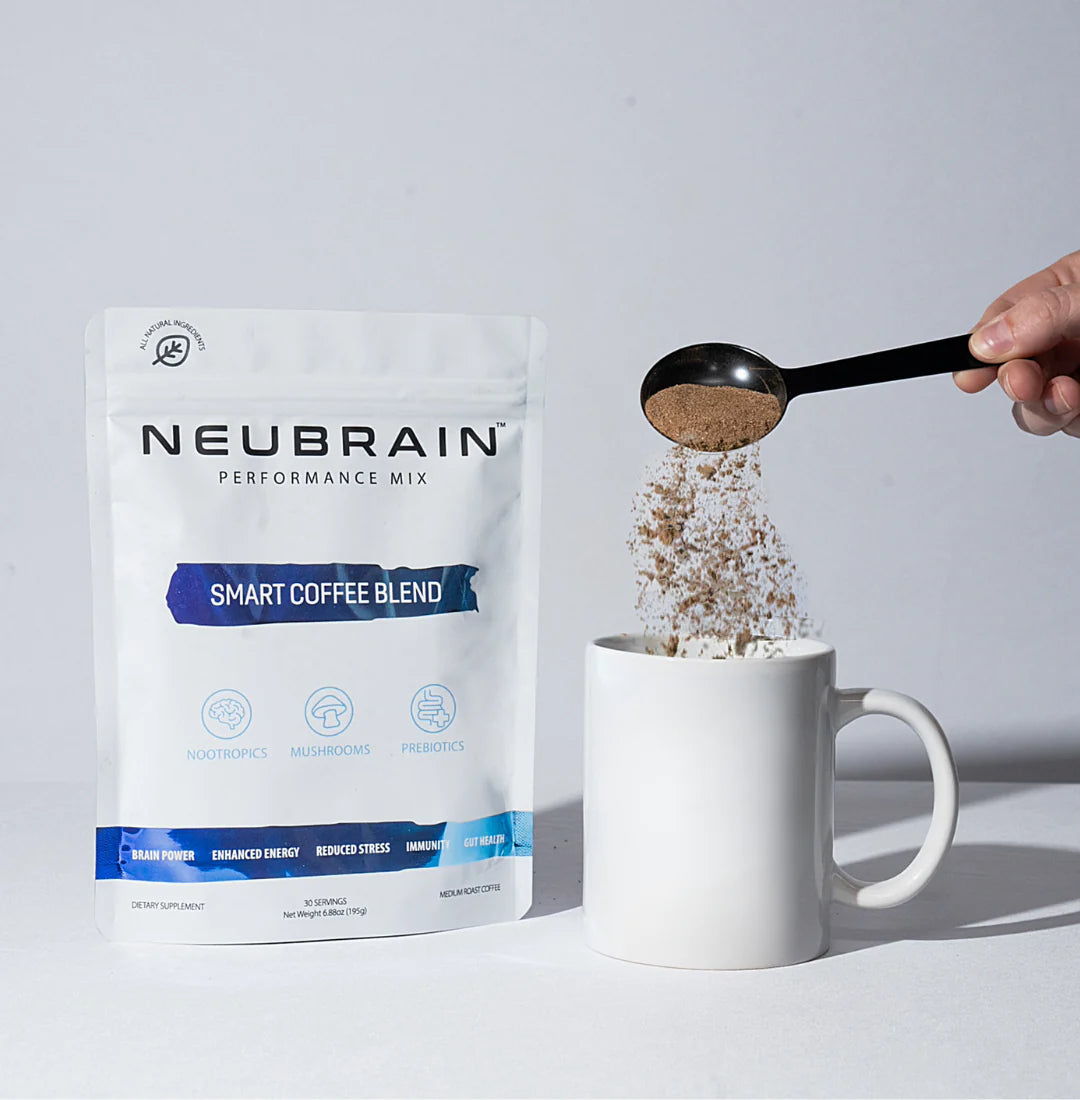
Because it smells and tastes exactly like real coffee and leaves zero sediment, it preserves the familiarity of a coffee ritual while changing how energy is delivered.
That familiarity matters. Research consistently shows that habit adherence improves when rituals feel familiar, not disruptive.
Instead of signaling urgency or stimulation, Neubrain signals:
-“This is the start of the day”
-“Focus comes next”
-“There’s no need to rush”
Step One: Keep the Ritual Simple
The most effective morning rituals share one trait: they’re boring enough to repeat.
A Neubrain-focused ritual works best when it includes:
-The same mug
-The same preparation method
-The same timing each morning
When too many variables change, the brain treats the routine as optional instead of automatic.
This is why the early guidance in How Neubrain Works Over Time (What Most People Don’t Realize at First) emphasizes consistency over experimentation.
Step Two: Pair Neubrain With a Single Focus Cue
Rituals become powerful when one action leads naturally into the next.
After drinking Neubrain, many people pair it with:
-Sitting at the same desk
-Opening the same notebook
-Reviewing a short task list
-Starting the same type of work
This creates a closed loop: Neubrain becomes the signal, and focus becomes the response.
Over time, less effort is required to enter a focused state — not because of stimulation, but because the brain recognizes the pattern.
Step Three: Avoid Stacking Stimulants Early
One of the most common mistakes people make is stacking Neubrain with other stimulants in the morning.
This works against the goal of a ritual.
Excess stimulation:
-Disrupts stress regulation
-Creates false urgency
-Makes focus feel brittle
Research summarized by Harvard Health shows that excess caffeine increases anxiety and impairs sustained attention, even when it temporarily boosts alertness.
Neubrain works best when it replaces things — not when it competes with them. This distinction is explored in Smart Coffee vs Pre-Workout: A Comparison.
What a Good Focus Ritual Feels Like
A consistent ritual doesn’t feel intense.
It feels:
-Predictable
-Calm
-Easy to repeat
Instead of asking, “Do I feel energized?” the better question becomes:
-“Is it easier to start?”
-“Is focus less effortful?”
-“Am I thinking about energy less?”
Those are signs the ritual is working.
Why Calm Focus Outperforms Intensity Over Time
From a biological standpoint, focus that relies on stress hormones is short-lived.
Cortisol-driven alertness creates:
-Faster burnout
-Higher anxiety
-Energy crashes later in the day
By contrast, calmer focus allows for longer cognitive endurance and fewer interruptions. This is closely tied to the gut-brain axis, which regulates how energy and stress signals are processed — explained in Science Behind the Gut-Brain Axis Explained Simply.
Neubrain supports this calmer pathway by smoothing caffeine’s impact rather than amplifying it.
Making the Ritual Sustainable
The goal of a morning focus ritual isn’t peak performance.
It’s repeatability.
A ritual that:
-Requires willpower
-Demands constant tweaking
-Feels fragile
Will eventually break.
A ritual built around familiarity, calm energy, and low friction is far more likely to last — and compound over time.
This is why many longer-term users resonate with the idea explored in If Neubrain Feels Normal Now, That’s the Point.
The Bottom Line
A consistent morning focus ritual doesn’t need to be complicated.
It needs to be:
-Familiar enough to repeat
-Calm enough to trust
-Simple enough to maintain
Neubrain works best when it’s not treated as a shortcut, but as a steady signal — one that tells your brain it’s time to focus without forcing it.
When focus becomes part of the routine instead of something you chase, it stops feeling fragile.
And that’s when it lasts.